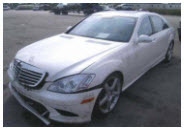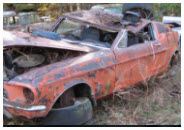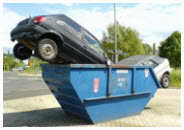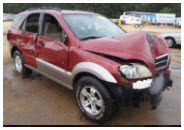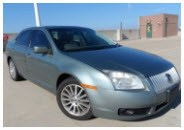

When your car gets damaged, whether from an accident, weather event, or mechanical failure, it’s easy to assume it’s worthless. Many people picture it heading straight to a junkyard with no money coming back their way. The truth is, even a damaged car often still has value. The amount you can get depends on the severity of the damage, the make and model, and how you choose to sell it. Before you give up on it, it’s worth understanding what buyers actually look for and what your options are.
The Condition Still Matters
Not all damage is equal. A car with cosmetic damage, like dents, scratches, or a cracked bumper, will typically bring in more money than one with a blown engine or frame damage. If the vehicle still runs and drives, even if it doesn’t look great, that can significantly increase its resale value. On the other hand, a non-running car still holds value for parts and scrap metal. Buyers will consider mileage, year, brand reputation, and whether the damage affects safety or drivability. Being honest about the condition helps you get realistic offers.
Selling to a Private Buyer
One option is selling the damaged car privately. Some buyers are willing to purchase damaged vehicles if they believe they can repair them at a lower cost or use them for parts. This route often brings the highest payout, especially if the damage is minor. However, it can take more time and effort. You’ll need to list the vehicle, answer questions, and possibly negotiate with potential buyers. Clear photos and a detailed description help attract serious interest and avoid wasted time.
Selling to a Junkyard or Salvage Yard
When damage is severe, junkyards and salvage yards become realistic options. These businesses purchase vehicles primarily for scrap metal or usable parts. The payout is usually based on weight, current scrap metal prices, and part demand. You won’t get top dollar, but you will get quick cash. In many cases, they’ll tow the vehicle for free, which can save you additional expenses. For cars that no longer run or are totaled, this can be a practical solution.
Factors That Affect How Much You’ll Get
Several factors influence the final amount you can receive. Popular brands, fuel-efficient models, and vehicles with high-demand parts tend to bring in more money. Local market conditions also matter. In areas where used cars are in high demand, even damaged vehicles can sell quickly. Timing plays a role too. For example, trucks may fetch better prices before winter, and fuel-efficient cars may sell better when gas prices rise.
Final Thoughts on Selling a Damaged Car
So, can you get money for your damaged car? In most cases, yes. It may not be as much as you hoped, but it’s rarely zero. The key is understanding the condition of your vehicle, exploring your selling options, and setting realistic expectations. Whether you sell privately, trade it in, or send it to a salvage yard, there’s almost always some value left. Taking a little time to compare offers can help you walk away with more than you expected. If it is time to get cash for cars then give North Texas Cash for Cars a call and find out what you can get.