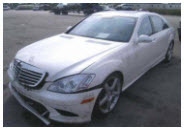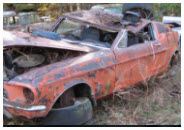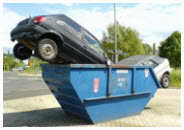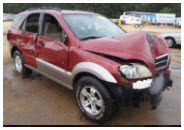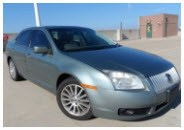

Many people assume that once a car is sold to a junk car buyer, it simply gets crushed and forgotten. In reality, the process is much more detailed and surprisingly efficient. Junk cars often go through several steps before they reach their final destination, and many parts of the vehicle continue to serve useful purposes long after the car is no longer drivable. From salvaging valuable parts to recycling metal, the journey of a junk car plays an important role in reducing waste and supporting the automotive industry. Understanding what happens after a junk car is sold can help people see the value that even an old, damaged vehicle still holds.
Transportation to a Salvage Yard
Once a junk car is sold, the first step is usually transportation. Most junk car buyers arrange for the vehicle to be picked up and delivered to a salvage yard or auto recycling facility. Tow trucks are typically used to move the vehicle, especially if it no longer runs or is unsafe to drive.
At the salvage yard, the car is checked in and documented. The staff records details about the vehicle such as the make, model, year, and condition. This information helps determine which parts might still be usable and what materials can be recycled. Even cars that appear completely destroyed often still contain components that have value.
Inspection & Part Removal
After arriving at the salvage yard, the vehicle is carefully inspected. Trained technicians evaluate the condition of the car and identify parts that can be removed and reused. Many components from junk cars are still in good working order, even if the rest of the vehicle is not. Commonly salvaged parts include engines, transmissions, alternators, starters, doors, mirrors, tires, and electronic components. These parts are removed, cleaned, and tested before being sold as used auto parts. Selling recycled parts allows mechanics and car owners to repair vehicles at a lower cost while also reducing the need to manufacture new components.
Fluids & Hazardous Materials Are Removed
At the salvage yard, technicians drain these fluids and store them in specialized containers for proper disposal or recycling. The battery is also removed since it contains chemicals that require careful handling. By safely removing these materials, recycling facilities help prevent environmental contamination and ensure that the remaining vehicle can be processed responsibly.
Recycling Metal & Remaining Materials
What remains of the vehicle is mostly metal. Cars contain a significant amount of steel and aluminum, which are both highly recyclable materials. The remaining frame of the vehicle is typically crushed and sent to a metal recycling facility. There, it is shredded and separated into different types of metals. These materials are then melted down and reused to create new products, including parts for new vehicles, construction materials, and other metal goods. Recycling metal from junk cars reduces the need for mining new raw materials and saves a considerable amount of energy.
Cash for Junk Cars in Richardson, Decatur, Plano, Sherman, Gainesville, Valley View, Sanger, Frisco, Allen, McKinney, Farmersville, Plano, Garland, Dallas, Grapevine, Irving, Arlington, Fort Worth, Azle, Springtown, Bridgeport, Jacksboro, Bowie, Muenster, St Jo & Denton, Texas | Durant, Ardmore & Thackerville, Oklahoma
Selling a junk car does not mean the vehicle’s usefulness has come to an end. Instead, it begins a new phase where its parts and materials continue to serve a purpose. From salvaging usable components to recycling valuable metals, junk cars play an important role in the automotive recycling industry. If you have a car that you are ready to get rid of then give North Texas Cash for Cars a call.